

DreamSofa Details How AR and 3D Visualization Aim to Reduce Online Furniture Return Rates
Returns are widely regarded as one of the harder problems in furniture e-commerce. The products are large and expensive to ship by freight in both directions, and custom pieces built to a buyer's specification typically cannot be returned to inventory at all. Industry observers have long noted that scale, fit and color are the leading reasons furniture is sent back, and that a shopper's inability to gauge how a large piece will sit in a real room is a central driver of dissatisfaction. For a manufacturer, a returned custom sofa is close to a total loss; for a buyer, it means weeks of disruption. Reducing the frequency of that outcome is a shared interest.
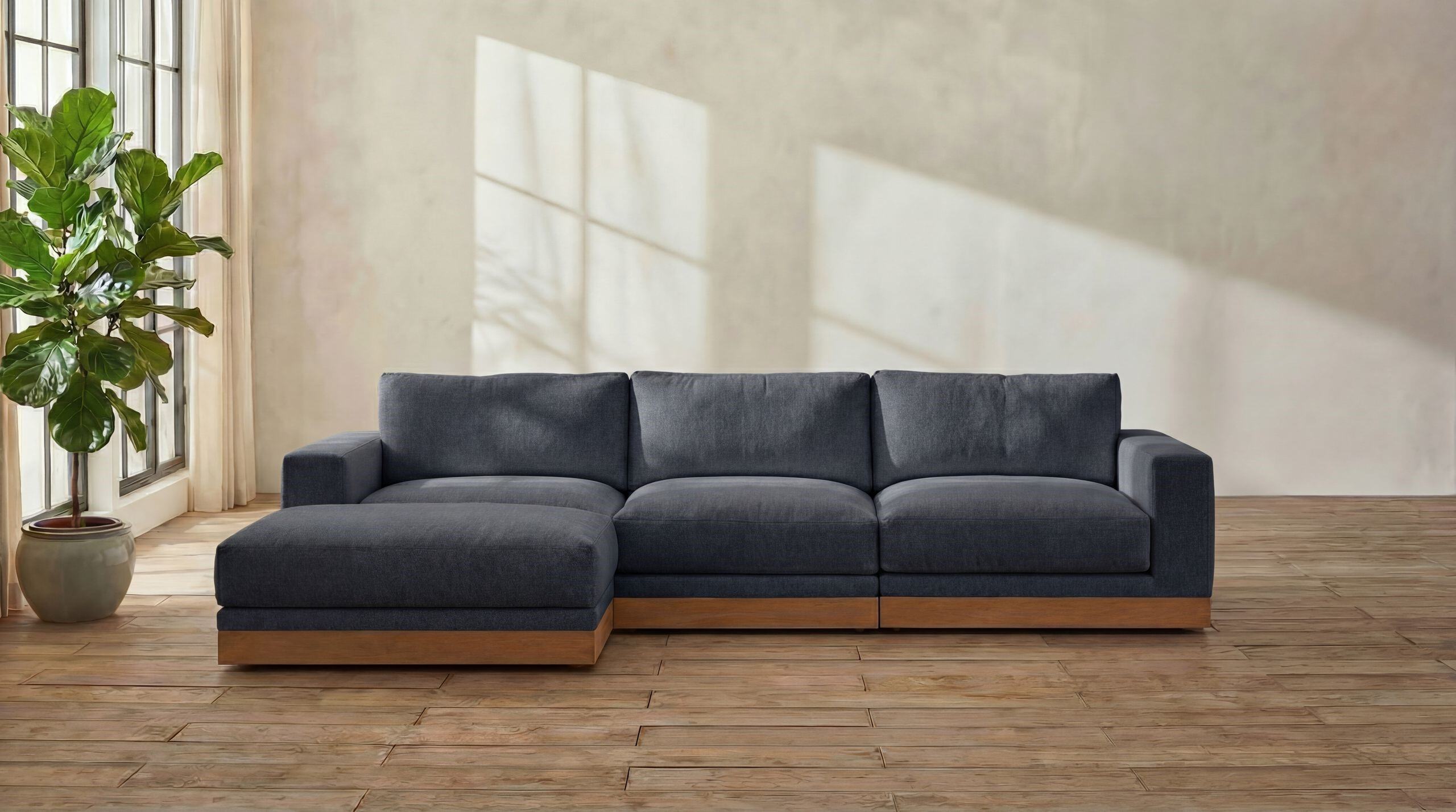
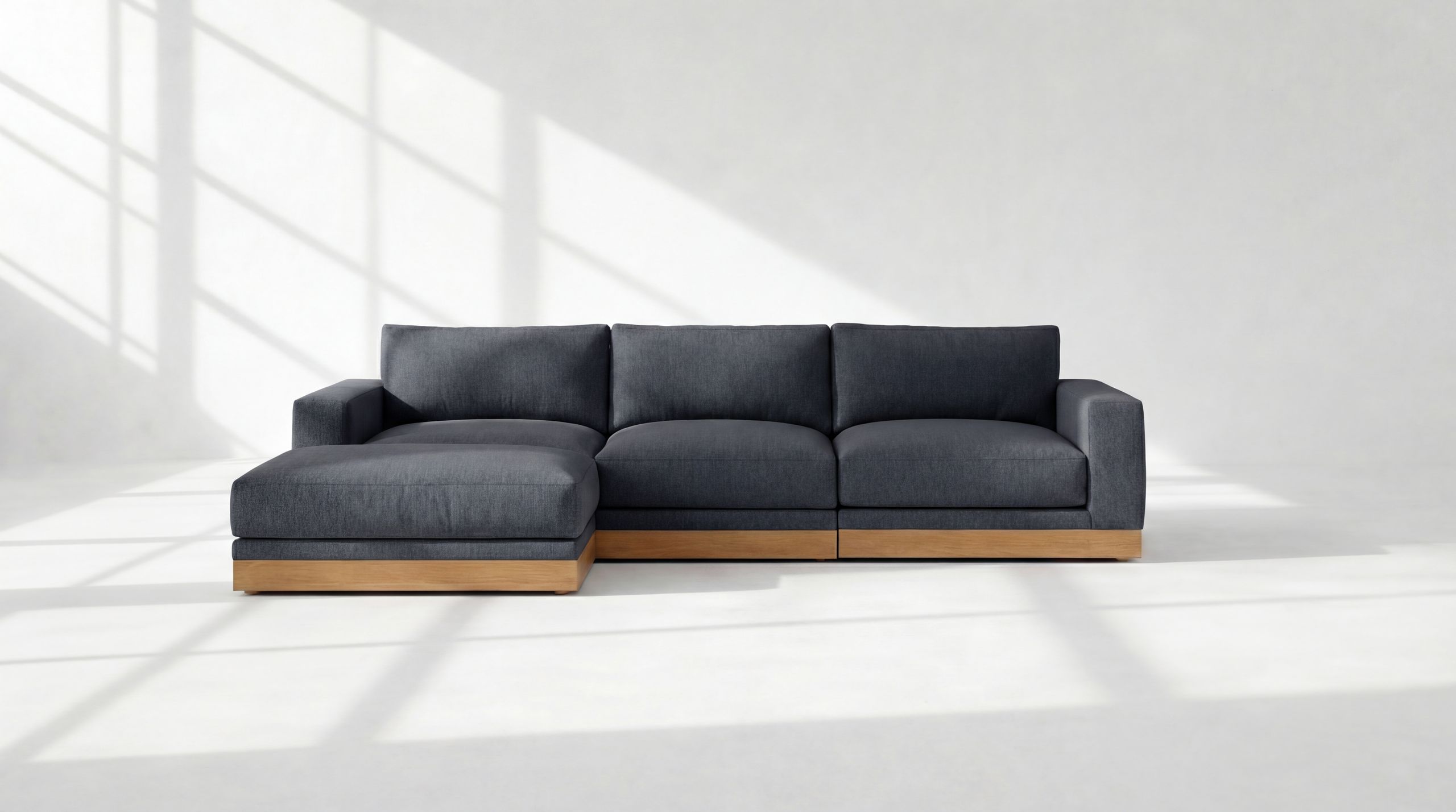
DreamStudio addresses the visualization side of the problem. The tool lets a shopper upload a photograph of their own room and see furniture rendered at true scale within it, rather than imagining a configuration from a two-dimensional floor plan — a task DreamSofa notes most people are not trained to do. The configurator maps room dimensions using the company's FlexForm precision system and overlays seating with accurate depth, height and orientation, so a buyer can see whether a right- or left-facing chaise blocks a walkway, or whether a particular layout leaves awkward negative space near a wall or entertainment center. Shoppers can test more than 250 fabrics against their own wall color and lighting, assemble mood boards, and generate shareable mock-ups so a decision can be made jointly with a partner, designer or client.
"Most furniture returns are not really about quality — they are about expectation," a DreamSofa spokesperson said. "Someone pictures a sofa one way, it arrives another way, and the disappointment is in the gap between the two. Letting people see an accurate, to-scale version in their actual room before anything is built closes most of that gap. The goal is that what shows up matches what was on the screen."
The company is candid about what on-screen visualization cannot do. A rendering conveys scale, proportion and layout, but it cannot reproduce the hand-feel of a textile or the firmness of a cushion — sensory factors that matter a great deal in furniture and that DreamSofa says are best judged in person. For that reason, it provides free physical fabric swatches on request so buyers can confirm texture and color before committing, and it backs purchases with a 100-day at-home trial. The company frames visualization, swatches and the trial as three layers of the same system rather than as a single solution: the configurator narrows the field and prevents obvious errors of scale and fit, swatches settle questions of material, and the trial provides a backstop once a piece is living in the room.
DreamSofa positions the approach within a wider technology shift in direct-to-consumer furniture. As more of the category moves online and away from physical showrooms, tools that let a buyer preview a piece in context have moved from novelty toward an expected part of the purchase, particularly for higher-priced custom goods. The company operates without traditional retail showrooms and says visualization technology is central to making a considered custom purchase possible at a distance. It notes that the same shareable mock-ups used by individual shoppers are used by interior designers and by commercial buyers furnishing settings such as boutique hotels and coworking spaces, where a configuration often has to be agreed among several stakeholders before an order is placed.
"Confidence is the whole question in online custom furniture," the spokesperson said. "You are asking someone to commit to a significant, non-returnable purchase they have never physically touched. That confidence has to be built deliberately — first by showing them exactly what it will look like in their space, then by letting them feel the material, and finally by giving them time to live with it. No single step does it alone."
DreamSofa says it treats return data as a signal about where expectations and outcomes diverge, and that the intent behind its visualization tools is to reduce that divergence rather than to eliminate returns entirely, which it does not claim is possible. The company characterizes AR and 3D configuration as one part of a broader effort across online furniture retail to make remote, made-to-order buying more predictable for customers and less wasteful for manufacturers.
About DreamSofa — DreamSofa is a Los Angeles–based custom furniture manufacturer specializing in made-to-order modular sofas, sectionals and sleeper sofas built in the United States. Its customization framework, DreamCustom, lets buyers specify style, size, fabric and finishing details, with pieces manufactured to the inch through its FlexForm sizing system. The company's tools and programs include DreamStudio, a 3D and augmented-reality room configurator; DreamModular, a tool-free reconfigurable seating system; DreamSleeper, a sleeper-sofa system engineered without a conventional support bar; and DesignXChange, a program for swapping covers and inserts. Products are offered with white-glove delivery, a 100-day trial and a lifetime frame warranty. More information is available at dreamsofa.com.
Maria Gonzalez
MGP
+1 305-204-8988
email us here
Legal Disclaimer:
EIN Presswire provides this news content "as is" without warranty of any kind. We do not accept any responsibility or liability for the accuracy, content, images, videos, licenses, completeness, legality, or reliability of the information contained in this article. If you have any complaints or copyright issues related to this article, kindly contact the author above.
